
Poly Bag Buying Guide — How to Choose the Right Thickness, Size & Type
A practical guide to choosing poly bags: understand mil thickness, flat vs gusseted vs reclosable, LDPE vs HDPE film, FDA food-grade requirements, anti-static and VCI protection, and how to order the right size for your application.
Choosing the right poly bag comes down to four decisions: thickness (mil), style (flat, gusseted, or reclosable), material (LDPE or HDPE), and size. Getting these right ensures your products are properly protected, your packing process is efficient, and you are not overpaying for more bag than you need.
Thickness is measured in mils (thousandths of an inch). A 1 mil bag is thin, transparent, and economical — good for retail bagging, produce, and lightweight parts. A 2–3 mil bag is the standard for general shipping and parts storage. A 4–6 mil bag provides serious puncture and tear resistance for hardware, sharp metal parts, and heavy industrial use.
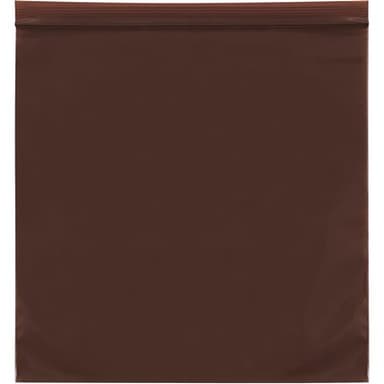
Bag style matters for fit. Flat bags (also called simple poly bags) work for items that fit within the bag width. Gusseted bags add expandable side panels for bulky or odd-shaped items — specify width × gusset × length (e.g., 12×8×18). Reclosable (zipper) bags allow repeated opening and closing, ideal for parts organization and retail display.
Material choice affects performance. LDPE (low-density polyethylene) bags are soft, flexible, and crystal clear — the standard for most poly bag uses. HDPE (high-density polyethylene) bags are stiffer, crinkly, and slightly cloudy, with higher tensile strength — often used for grocery-style bags and retail merchandise bags.
Why Businesses Choose Our Poly Bag Buying Guide
- ✓ Plain-language explanations of mil thickness, bag styles, and material types
- ✓ Practical thickness recommendations based on product type and weight
- ✓ Clear guidance on FDA food-grade standards, anti-static requirements, and VCI protection
- ✓ Size selection tips including how to measure and specify custom bags
Poly Bag Buying Guide — Technical Specifications
| Specification | Details |
|---|---|
| Thickness (Mil) | 1 mil (lightweight retail, produce), 2 mil (shipping, hardware), 3 mil (standard shipping, parts), 4 mil (medium industrial), 6 mil (heavy industrial) |
| Bag Styles | Flat (simple open bag), Gusseted (expandable sides for bulky items), Reclosable (zipper seal, reusable), Tubing (continuous roll, cut to length) |
| Materials | LDPE — soft, clear, flexible (general purpose). HDPE — stiff, crinkly, strong (retail/grocery). Co-extruded — layered (specialty barrier) |
| Specialty Films | Anti-static pink (ESD protection), VCI (corrosion inhibitor for metals), conductive/shielding (sensitive electronics), FDA food-grade, UV-resistant, colored |
| FDA Compliance | Food-grade bags made from virgin polyethylene, meeting FDA 21 CFR requirements for direct food contact |
| Closure Options | Open-top (tie/seal), zipper reclosable, drawstring, self-seal adhesive, heat-seal |
| Custom Options | Custom sizes, custom printing (up to 6 colors), custom mil thickness, bulk case/pallet packaging |
Best For
Poly Bag Buying Guide are an ideal solution for these customers and applications.
First-Time Poly Bag Buyers
The problem: Overwhelmed by the range of sizes, thicknesses, and styles — unsure what to order
The solution: This guide explains mil thickness, bag styles, and material types in plain language so you can order with confidence
E-commerce & Shipping Managers
The problem: Need the right balance of protection and cost — too thin risks damage, too thick wastes money
The solution: Match product weight and fragility to the correct gauge: 2–3 mil for most shipping, 4 mil+ for sharp/heavy items
Food Service & Commercial Kitchens
The problem: Must comply with FDA food contact regulations and choose the right bag for freezer, storage, or direct food use
The solution: FDA-compliant virgin polyethylene bags available in flat, reclosable, and gusseted styles for all food applications
Industrial & Manufacturing Buyers
The problem: Products with sharp edges, heavy components, or metal parts that rust during storage
The solution: 4–6 mil heavy-duty bags for puncture protection; VCI bags prevent rust on metal parts during storage and transit
Products in This Category
Shop by Category
Frequently Asked Questions
What does "mil" mean for poly bags?
A "mil" is one-thousandth of an inch (0.001"). It measures the thickness of the poly film. Common thicknesses: 1 mil (lightweight), 2 mil (standard), 3 mil (shipping), 4–6 mil (heavy duty). Thicker bags are stronger and more puncture-resistant but cost more per bag.
What size poly bag do I need?
Measure your item's length, width, and depth (thickness). For flat bags, choose a bag width slightly larger than the item width and length slightly longer than the item height. For gusseted bags, add the gusset width to account for the item's thickness. A general rule: add 1–2 inches to each dimension for easy loading.
Can poly bags be recycled?
Clean LDPE poly bags (plastic #4) are recyclable at many store drop-off locations. Check with your local recycling program. Industrial poly bags that are dirty or contaminated should be discarded. For eco-friendly alternatives, consider switching to paper packaging or reusable containers.
What is the difference between flat and gusseted poly bags?
Flat bags are simple rectangular bags with no side expansion — they work best for items that fit within the bag's width. Gusseted bags have folded-in side panels that expand to accommodate thicker or bulkier items. Use flat bags for flat items (documents, clothing) and gusseted bags for bulky items (boxes, stacked parts).
How do I order custom poly bags?
Contact our team at (800) 326-4403 with your desired width, length, thickness (mil), and any printing requirements. Custom orders typically take 2–4 weeks for domestic production. Volume discounts apply to custom orders of 10,000+ bags.