
Material Handling Equipment — Pallet Racking, Conveyors, Hoists, Mezzanines & Dock Equipment
Complete material handling solutions: teardrop pallet rack, industrial shelving, conveyor systems, overhead cranes and hoists, dock levelers, forklift attachments, mezzanine platforms, and safety barriers. Free design consultation.
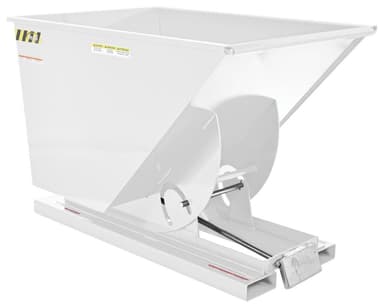
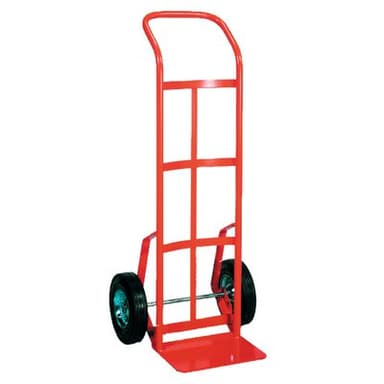
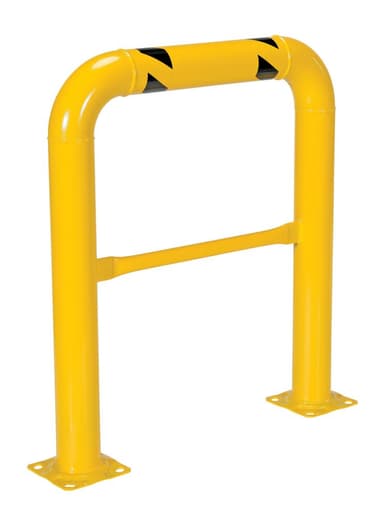
Material handling equipment is the backbone of productive industrial operations. Efficient movement, storage, control, and protection of materials directly impacts your throughput, labor costs, and workplace safety.
Pallet racking is the foundation of most warehouse storage systems. Teardrop-style selective pallet racks offer the best combination of flexibility, accessibility, and cost-efficiency. Drive-in, push-back, and flow-through configurations increase storage density for high-volume SKUs.
Industrial shelving and storage systems handle everything from small parts to heavy dies. Boltless rivet shelving, wire shelving, cantilever racks, and modular drawer cabinets organize inventory, tools, and supplies for quick access and accurate picking.
Conveyor systems automate the movement of materials through receiving, production, and shipping. Gravity roller, powered belt, and flexible extendable conveyors move cartons, totes, and pallets with minimal labor. Accumulation and merge solutions manage product flow.
Overhead material handling — bridge cranes, jib cranes, hoists, and monorail systems — lifts heavy loads safely and precisely. Hoists in manual, electric chain, and wire rope configurations with capacities from 500 lbs to 50+ tons.
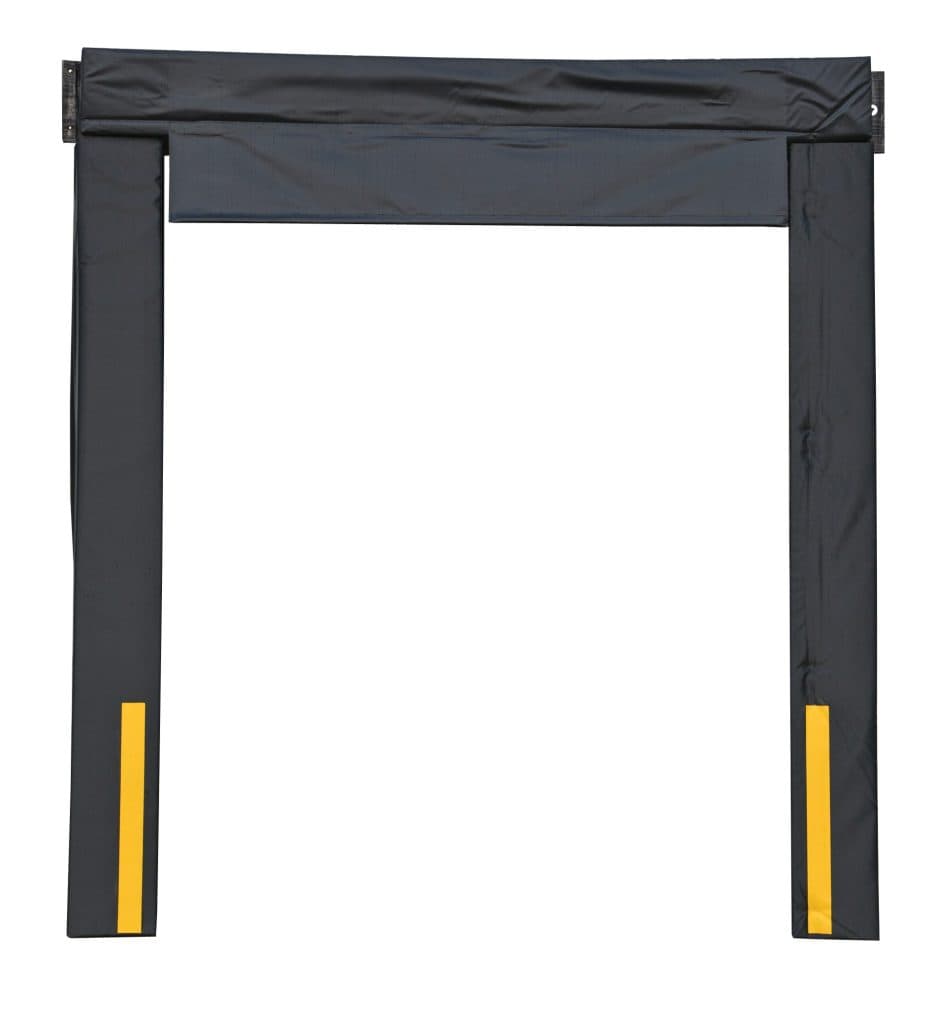
Dock equipment connects your facility to the transportation network. Dock levelers, dock lifts, vehicle restraints, dock seals, and trailer loading systems maximize throughput at the loading dock — the busiest intersection in any facility.
Why Businesses Choose Our Material Handling Equipment
- ✓ End-to-end solutions: design, supply, installation, and ongoing support
- ✓ Teardrop compatible pallet rack components interchangeable with major brands
- ✓ Free facility layout and equipment specification consultation
- ✓ National network of certified installation contractors
- ✓ Volume pricing on project orders of any size
How to Choose the Right Material Handling Equipment
Map your material flow: receiving → storage → production → picking → shipping. Each transition point is an opportunity for equipment to reduce labor and increase speed.
For pallet rack, start with your pallet size and weight. Standard GMA pallets (40"×48") support up to 2,500 lbs. Determine stack height (based on forklift reach and ceiling clearance) and aisle width (narrow aisle = higher density, higher equipment cost).
Conveyor is all about throughput and product dimensions. Measure your carton and tote sizes. Match belt width (typically 18"–48") and speed (60–120 FPM) to your throughput requirements. Add merge, divert, and accumulation zones for complex flows.
Mezzanines double or triple usable floor space without expanding the building footprint. Consider live load requirements (125 PSF minimum for storage), column spacing (typically 20′–24′), and stair/elevator access for personnel and materials.
Products in This Category
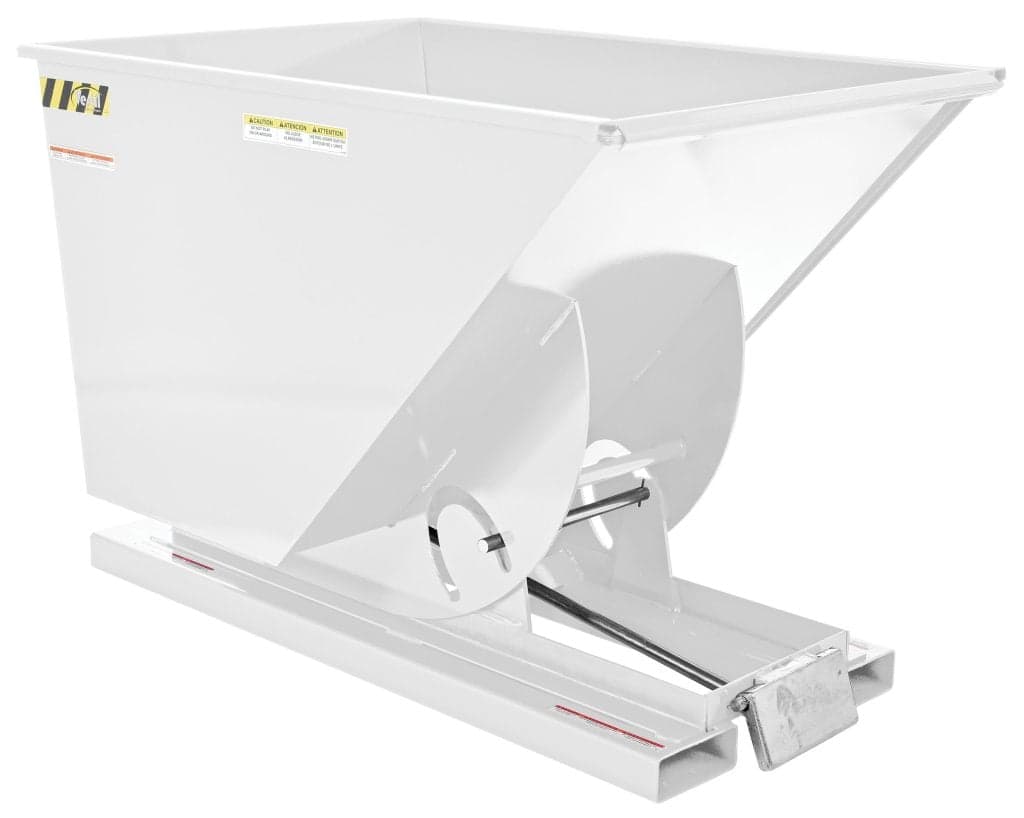
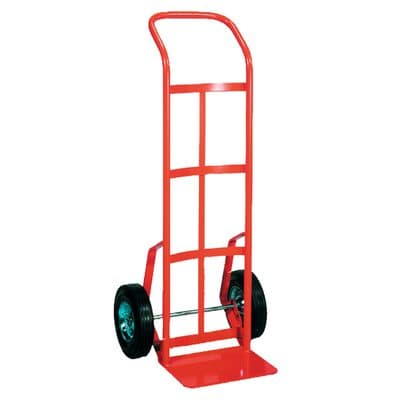
Pallet Rack Systems — Teardrop Compatible

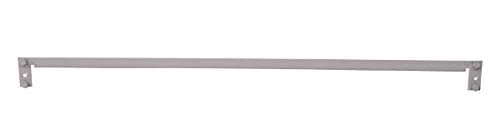
Teardrop-style pallet racks are the most widely used rack system in American warehouses. The teardrop-shaped holes allow for 2" vertical beam adjustment with simple tool-free snap-in installation. Compatible with most major brand teardrop systems.
Available in roll-formed and structural steel. Roll-formed frames (the most common) offer the best strength-to-weight ratio. Structural frames use full C-channel steel for impact resistance in high-traffic areas. Both accept the same teardrop beams.
Add wire decking, pallet support bars, row spacers, column guards, and rack labels for a complete system. Drive-in and push-back configurations increase density for high-volume storage. Pallet flow racks with gravity rollers increase FIFO picking efficiency.
Overhead Cranes, Hoists & Monorails
Overhead material handling lifts loads off the floor, freeing valuable aisle space and reducing the risk of floor-level collisions. Bridge cranes cover rectangular work areas; jib cranes serve individual workstations; monorail systems follow fixed paths.
Hoist selection depends on capacity, lift height, and duty cycle. Electric chain hoists handle 1/8 to 5 tons for typical manufacturing and maintenance. Electric wire rope hoists handle 5 to 50+ tons for heavy industrial and steel service. Manual hoists for intermittent use and areas without power.
We design and install complete overhead systems including crane runway beams, end trucks, trolleys, hoists, electrification, and controls. Free site consultation for capacity and clearance requirements.
Shop by Category
Pallet Racking
Selective, drive-in, push-back, and flow-through pallet rack systems.
Industrial Shelving
Boltless rivet, wire, steel, and cantilever shelving for every application.
Mezzanines
Free-standing and rack-supported mezzanine platforms that double usable space.
Conveyor Systems
Gravity, powered, and flexible conveyor for carton and pallet handling.
Hoists & Cranes
Overhead bridge cranes, jib cranes, hoists, and monorail systems.
Dock Equipment
Dock levelers, lifts, vehicle restraints, seals, and shelters.
Forklift Attachments
Fork extensions, side shifters, clamps, rotators, and carton clamps.
Safety Barriers
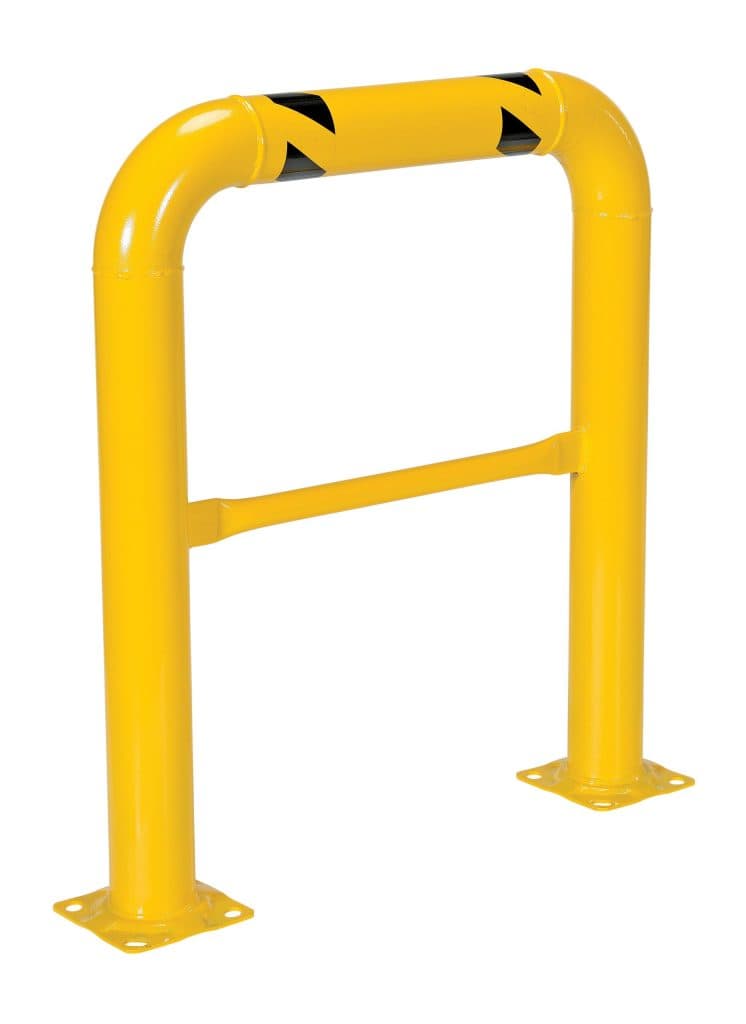
Protective barriers, column guards, rack protectors, and aisle guards.
Frequently Asked Questions
What is the most common pallet rack configuration?
Teardrop-style selective pallet rack is the most common. "Selective" means each pallet is individually accessible. Standard bay widths are 96"–144", depths 36"–48", and beam capacities 2,500–5,000 lbs per pair. Compatible with forklifts, reach trucks, and order pickers.
Do you offer installation services?
Yes. Through our national network of certified installers, we provide turnkey installation for pallet rack, shelving, mezzanines, conveyor systems, and dock equipment. Installation includes layout, assembly, anchoring, and safety inspection.
What conveyor types do you recommend?
Gravity roller conveyor is the most economical for non-powered lines. Belt-driven live roller is best for accumulation and sortation. Minimum pressure accumulation prevents product damage. For truck loading, flexible extendable conveyors reach deep into trailers.
Can you help design a material handling system?
Absolutely. Our design team provides free initial consultations. We assess your current and projected volumes, facility layout, budget, and operational goals — then deliver a comprehensive equipment specification and layout drawing.
What safety equipment do you recommend for warehouses?
Every warehouse should have column guards (to protect rack uprights), aisle safety barriers, rack back safety panels (for pallet retention), mezzanine guardrails and gates, and proper safety signage. We carry a full range of safety products for material handling environments.